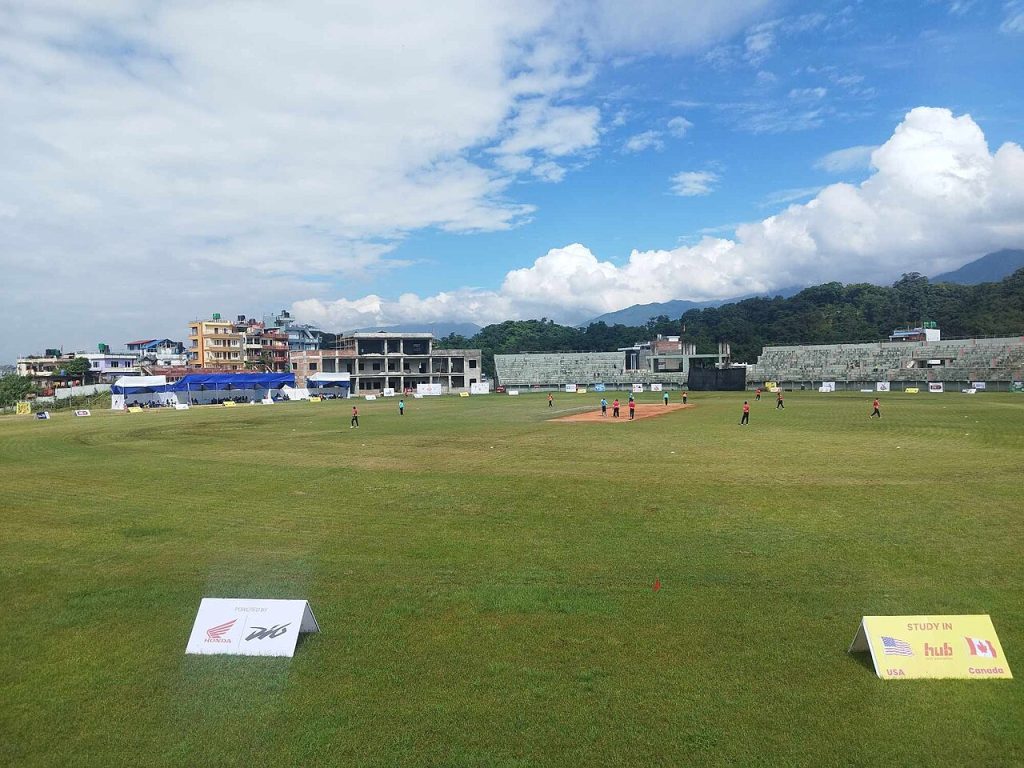
The ICC Women’s T20 World Cup Global Qualifier is a crucial tournament where teams fight for a place in the main World Cup event. Unlike big stadiums and high-scoring venues, Global Qualifier matches are often played on challenging surfaces where pitch behavior, weather conditions, and toss decisions play a decisive role. This pitch report gives you a clear idea of what to expect from each match of the tournament.
At Pitch-report.com, we focus on match conditions that truly impact the game. Our Global Qualifier pitch reports are designed to help fans and fantasy users understand how these venues behave across different matches and playing conditions.
- Stadium-wise Pitch Report
- Ground Dimensions
- Cricket Stadium Records and Venue Stats
- Batting Pitch or Bowling Pitch Analysis
- Toss Prediction
- Match Winner Prediction
- Where to Watch the Live Match
- Type of Pitch
- Weather Report & Forecast
Women’s T20 World Cup Global Qualifier Schedule
The Global Qualifier follows a tight schedule with multiple matches played across limited venues. Since conditions remain similar throughout the tournament, understanding pitch patterns becomes even more important as teams adapt quickly.
For accurate match timelines, fixtures, and venue-wise scheduling, it is best to check the official ICC website. The schedule is updated directly by the governing body, ensuring the latest information on match dates, timings, and locations throughout the tournament.
ICC Women’s T20 World Cup Global Qualifier Pitch Report
Pitch conditions in the ICC Women’s T20 World Cup Global Qualifier vary by venue, but overall the tournament is expected to offer balanced surfaces where technique, adaptability, and match awareness play a key role. Some grounds may assist batters early on, while others could provide grip and movement for bowlers as the game progresses.
Below, you’ll find ground-wise pitch reports covering batting and bowling behavior, toss impact, boundary dimensions, and match trends. Each stadium analysis highlights whether batting first or chasing offers an advantage, helping you understand team strategies and match outcomes more clearly.
1st: Tribhuvan University International Cricket Ground Pitch Report (Kirtipur)
This venue is known for its slow surface and low bounce, making timing difficult throughout the match. Spinners and bowlers who rely on variations usually dominate the middle overs, while batters need to spend time at the crease before playing aggressive shots. The boundary sizes are relatively moderate, but clearing the ropes consistently is not easy due to the sluggish pitch. Teams chasing manageable targets often find success here, especially if wickets are preserved in the first half of the innings.
👉 For a detailed, match-specific breakdown, check the complete Tribhuvan University International Cricket Ground Pitch Report including toss trends and recent records.
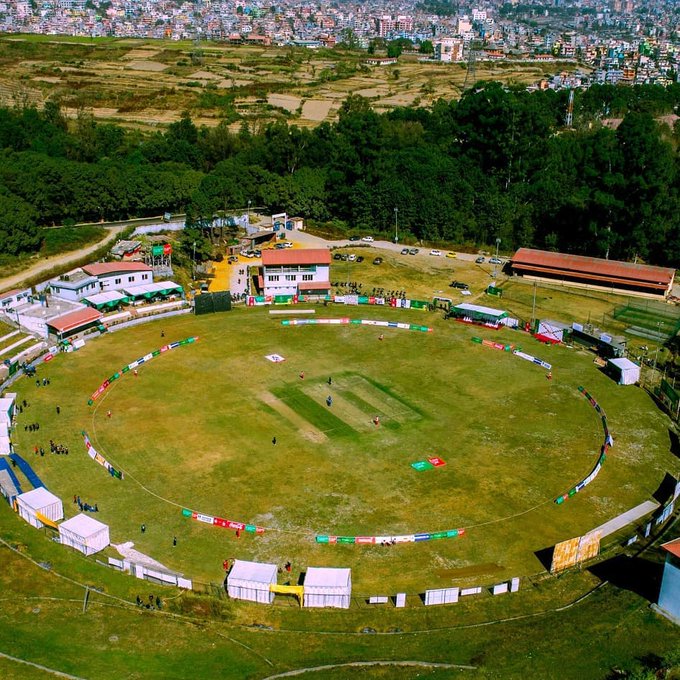
2nd: Mulpani Cricket Ground Pitch Report (Kathmandu)
Mulpani Cricket Ground offers a more balanced pitch compared to Kirtipur, with something available for both batters and bowlers. The new ball can assist seamers early on, but batting conditions improve as the match progresses and the pitch settles. Boundary dimensions are fair, allowing well-timed shots to travel, particularly in the later overs. Toss decisions play a key role here, with teams often preferring to assess conditions before deciding whether to bat or bowl first.
👉 Explore the full Mulpani Cricket Ground Pitch Report for in-depth analysis on batting conditions, bowling support, and first vs second innings performance.